Tropical Asian: Integrating a Brushed Display Font into Modern Creative Workflows
In the landscape of digital design and branding, typography is rarely just about legibility; it is about tone, personality, and immediate visual communication. Tropical Asian emerges as a distinct asset in this space, offering a cool, brushed, and fun display style that bridges the gap between casual creativity and professional polish. For designers, marketers, and content creators, integrating a typeface like this is not merely an aesthetic choice but a strategic decision that impacts workflow efficiency and brand consistency.
Understanding how to leverage Tropical Asian requires looking beyond its visual appeal. It demands a practical approach to implementation, ensuring that the font serves the project’s goals rather than distracting from them. This article explores how to incorporate this typeface into various stages of creative and business processes, from initial concept development to final asset delivery.
Defining the Role of Tropical Asian in Design Systems
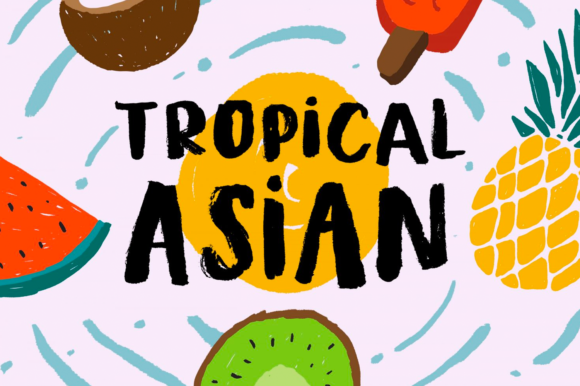
Tropical Asian is characterized by its hand-brushed texture and relaxed structure. Unlike rigid serif or sans-serif fonts, it carries the organic imperfections of manual lettering. This makes it particularly effective for projects requiring a human touch, warmth, or a sense of adventure. However, its "fun" nature does not imply a lack of professionalism. When used correctly, it elevates creations by adding a layer of authenticity that sterile, geometric fonts often lack.
In a broader design system, Tropical Asian functions best as a display font. It is designed for headlines, logos, short quotes, and emphasis points rather than body text. Recognizing this limitation is crucial for maintaining readability and user experience. By restricting its use to high-impact areas, you preserve its novelty and ensure that it remains an incredible asset to your fonts library without overwhelming the viewer.
Pre-Production: Strategic Selection and Compatibility
The integration of any new typeface begins before the first pixel is placed. During the planning phase of a project, assessing whether Tropical Asian aligns with the brand voice is essential. This font fits naturally into industries such as tourism, hospitality, lifestyle blogging, organic food packaging, and creative agencies. If your project involves conveying relaxation, energy, or approachability, this typeface is a strong candidate.
Evaluating Brand Alignment
Before committing to Tropical Asian, consider the existing brand guidelines. Does the brand allow for playful elements? Is there room for organic shapes in the visual identity? If the current palette includes earth tones, vibrant tropical colors, or soft pastels, this font will complement those choices seamlessly. Conversely, if the brand relies on strict corporate minimalism, using this font may require a deliberate shift in strategy or be reserved for specific campaign-based materials rather than core identity assets.
Technical Preparation and Licensing
From a workflow perspective, ensuring you have the correct file formats is a critical step. Verify that you possess the necessary licenses for both personal and commercial use, depending on the project scope. Organize your font files within your design software’s library or operating system folder structure. Proper organization reduces friction during the design process, allowing you to access Tropical Asian quickly when inspiration strikes or deadlines tighten.
Execution: Implementing Tropical Asian in Creative Projects
Once the strategic fit is confirmed, the execution phase begins. This is where the unique characteristics of Tropical Asian interact with other design elements. The goal is to create harmony between the brushed texture of the font and the surrounding graphics, whitespace, and color schemes.
- Hierarchy and Contrast: Use Tropical Asian for H1 and H2 headers to establish a clear visual hierarchy. Pair it with a clean, neutral sans-serif for body text. This contrast ensures that the display font stands out while maintaining overall readability.
- Color Interaction: The brushed edges of the font can get lost against busy backgrounds. Opt for solid, contrasting backgrounds or use drop shadows sparingly to separate the text from complex images. This enhances legibility and preserves the integrity of the brush strokes.
- Spacing and Kerning: Display fonts often require manual adjustment. Pay attention to the spacing between letters, especially in short words or logos. Tightening or loosening kerning can significantly alter the mood of the text, making it feel more cohesive or more dynamic.
Workflow Integration with Design Tools
Modern design platforms such as Adobe Photoshop, Illustrator, Canva, and Figma handle custom fonts differently. When working in vector-based programs like Illustrator, convert Tropical Asian to outlines only after finalizing edits to preserve editability. In raster-based tools like Photoshop, utilize smart objects to maintain quality during resizing. For web designers, ensure that the font is properly optimized for web use, considering load times and fallback options to maintain performance across devices.
Post-Production: Quality Control and Consistency
After the initial design is complete, the focus shifts to refinement and consistency. This stage is vital for ensuring that Tropical Asian delivers a professional outcome. Review the design at various sizes and on different devices. Does the brushed texture remain clear on mobile screens? Is the contrast sufficient for accessibility standards?
Consistency is key when using distinctive fonts across multiple assets. Create a mini-style guide that specifies how Tropical Asian should be used. Define acceptable color combinations, minimum sizes, and pairing rules. This documentation helps team members, freelancers, or future self maintain uniformity across marketing materials, social media posts, and website banners.
Practical Use Cases and Workflow Examples
To understand the versatility of Tropical Asian, consider these practical applications across different professional contexts:
- Social Media Campaigns: For Instagram or Pinterest graphics, use the font for quote overlays or event announcements. Its fun nature encourages engagement and shares. Prepare templates in Canva or Photoshop with pre-set styles to speed up daily content creation.
- Packaging Design: In product packaging, especially for artisanal or natural products, Tropical Asian can serve as the primary logo font. It conveys craftsmanship and authenticity. Ensure high-resolution vectors are used for print production to avoid pixelation.
- Web Headers and Landing Pages: Use the font for hero section headlines on websites. Keep the text concise to maximize impact. Combine with ample whitespace to let the typography breathe, enhancing the user’s first impression.
- Presentation Decks: Entrepreneurs and educators can use Tropical Asian for slide titles in pitch decks or educational materials. It breaks the monotony of standard corporate fonts, keeping the audience engaged without sacrificing clarity.
Long-Term Value and Asset Management
Investing in a versatile typeface like Tropical Asian offers long-term value. As trends shift towards more human-centric and authentic design, having a high-quality brushed display font in your library ensures you are prepared for diverse client needs. Regularly update your font library and review usage patterns to identify which projects benefit most from this style.
Moreover, consider the scalability of your workflow. If you frequently use Tropical Asian, create reusable components or text styles in your design software. This reduces repetitive tasks and ensures that every instance of the font adheres to your established standards. Over time, this efficiency translates into faster turnaround times and higher-quality outputs.
Conclusion: Elevating Creation Through Strategic Typography
Tropical Asian is more than just a font; it is a tool for communication. By understanding its characteristics and integrating it thoughtfully into your workflow, you can elevate any creation. Whether you are a freelancer designing a logo, a marketer crafting a social media campaign, or a business owner updating your brand identity, this font provides the flexibility and personality needed to stand out.
The key to success lies in preparation, consistent application, and attention to detail. By treating typography as a integral part of your process rather than an afterthought, you harness the full potential of Tropical Asian. Embrace its cool, brushed aesthetic, respect its limitations, and watch as it transforms your projects into memorable visual experiences.